Commercial roofing in Missouri & Illinois
repair, Replacement & Maintenance
COMMERCIAL ROOFING SOLUTIONS BUILT TO PROTECT YOUR BUSINESS
From flat roofs and metal systems to large-scale commercial replacements and emergency repairs, Washington Roofing & Construction delivers dependable craftsmanship, durable materials, and minimal disruption to your operations. Trusted by businesses across the greater St. Louis area for quality roofing systems built to last.
New roof
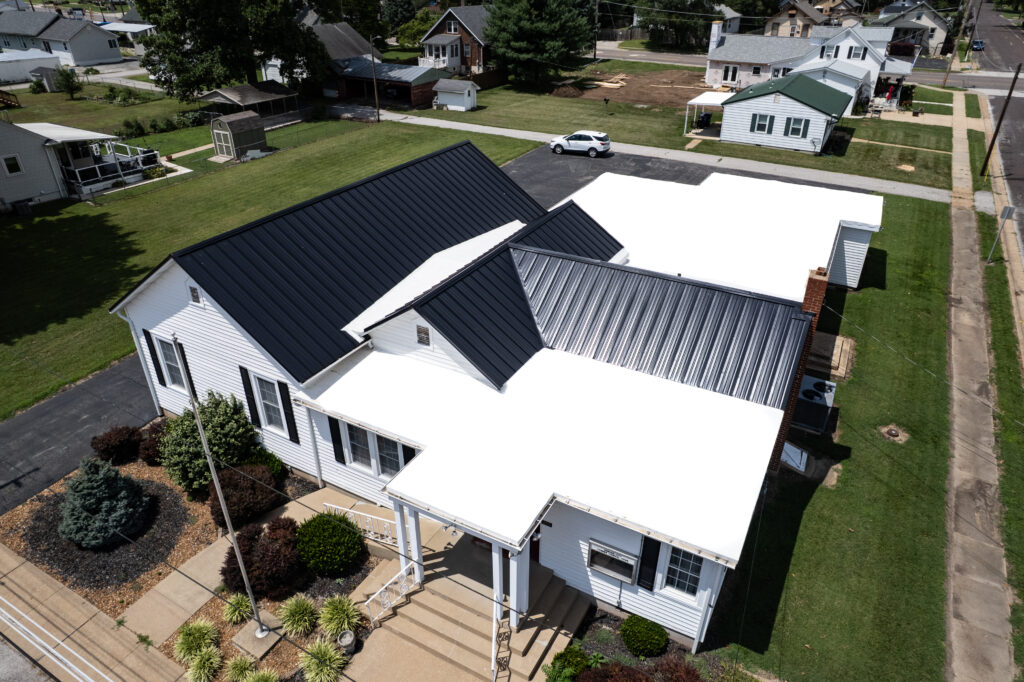
Transform your commercial property with Washington Roofing, a GAF Certified commercial contractor specializing in expert new roof installations. Designed to enhance both durability and aesthetic appeal, our experienced team collaborates closely with you to select the ideal roofing materials, design, and structure that align seamlessly with your business goals. From concept to completion, trust Washington Roofing for innovative, reliable solutions that set a solid foundation for your commercial space.
New roof
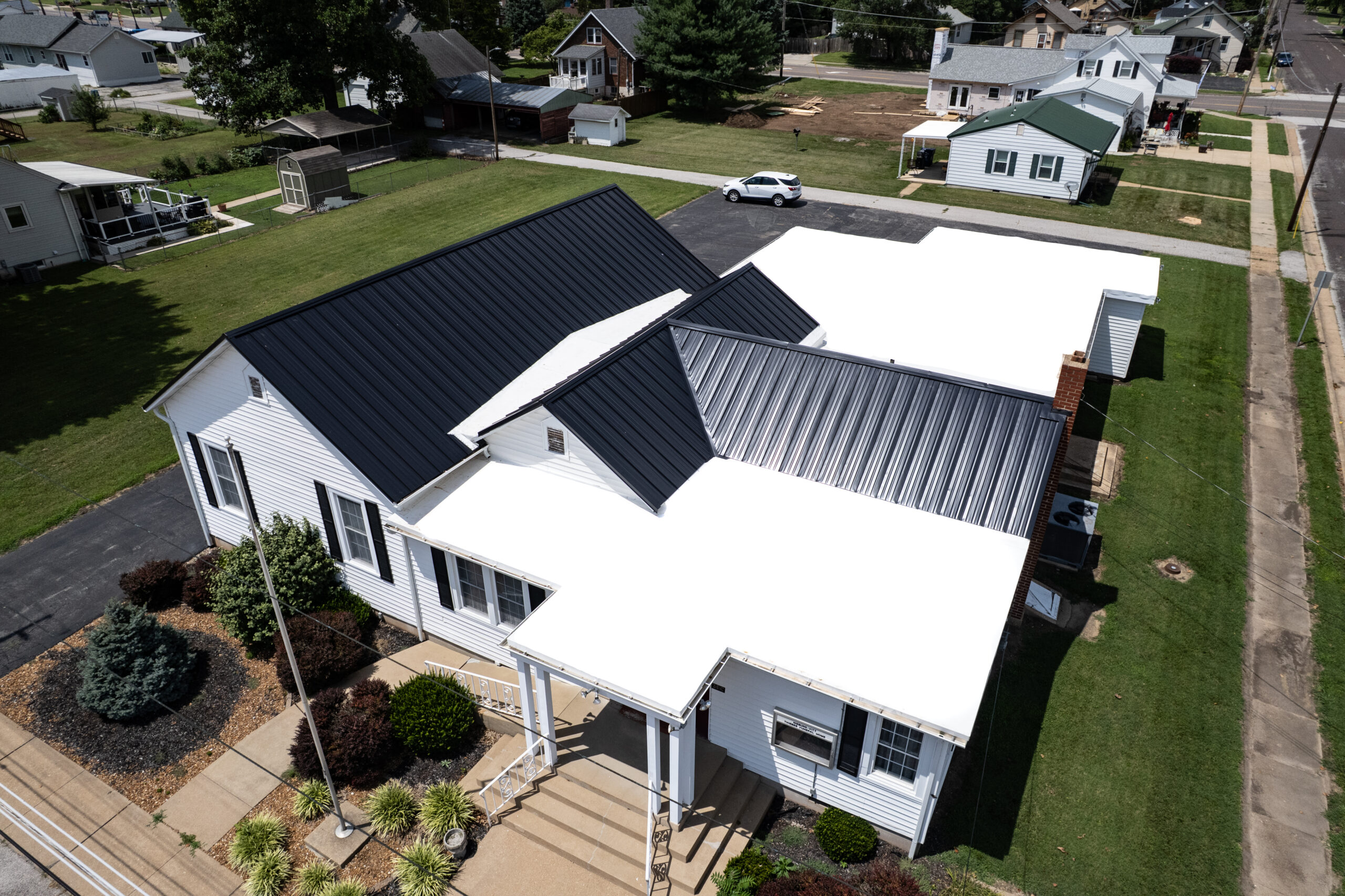
Transform your commercial property with Washington Roofing, a GAF Certified commercial contractor specializing in expert new roof installations. Designed to enhance both durability and aesthetic appeal, our experienced team collaborates closely with you to select the ideal roofing materials, design, and structure that align seamlessly with your business goals. From concept to completion, trust Washington Roofing for innovative, reliable solutions that set a solid foundation for your commercial space.
Repair
At Washington Roofing, we specialize in top-notch commercial roof repairs tailored to meet the unique needs of your business. Our skilled team is equipped to handle a diverse range of issues, from leaks and storm damage to general wear and tear, ensuring the longevity and performance of your commercial roof. Trust us to deliver swift, efficient repairs that prioritize the protection of your business assets.
Repair
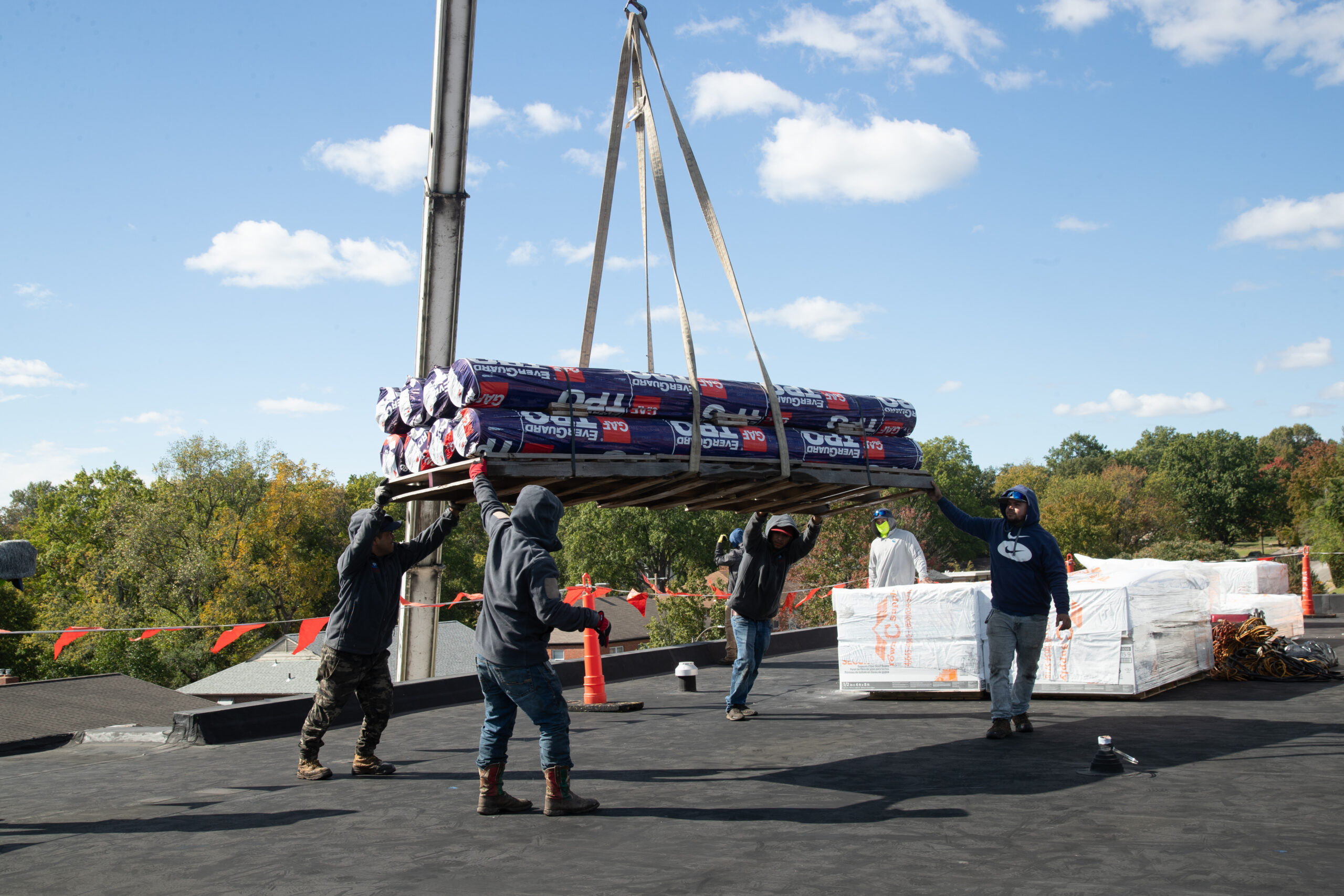
At Washington Roofing, we specialize in top-notch commercial roof repairs tailored to meet the unique needs of your business. Our skilled team is equipped to handle a diverse range of issues, from leaks and storm damage to general wear and tear, ensuring the longevity and performance of your commercial roof. Trust us to deliver swift, efficient repairs that prioritize the protection of your business assets.
Maintenance
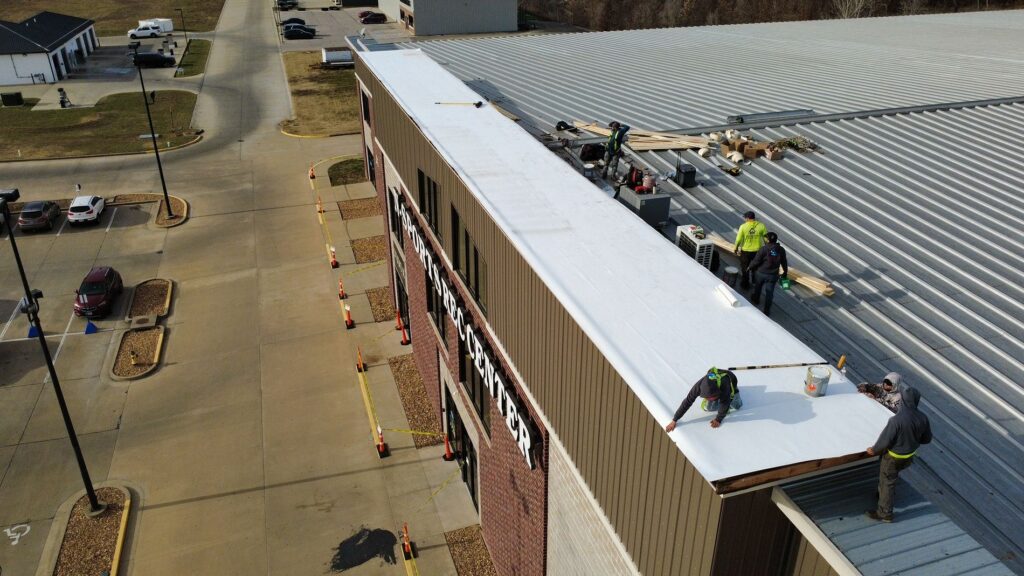
Routine maintenance is one of the most important steps in extending the life of your commercial roofing system. At Washington Roofing & Construction, we help business owners identify small issues before they turn into costly repairs or unexpected downtime. From leak detection and drainage inspections to storm damage assessments and preventative maintenance plans, our team keeps your roof performing at its best year-round.
Maintenance
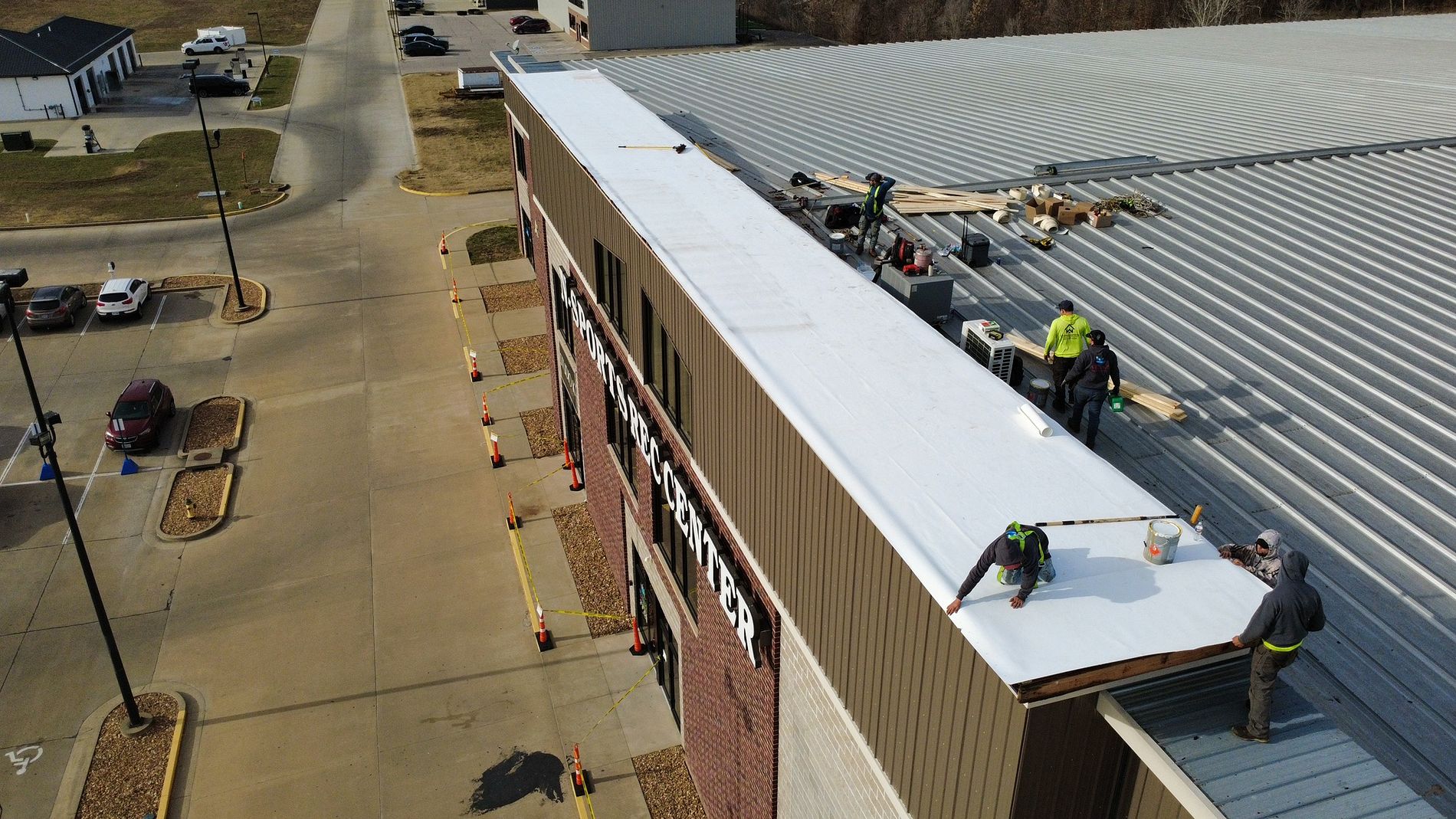
Routine maintenance is one of the most important steps in extending the life of your commercial roofing system. At Washington Roofing & Construction, we help business owners identify small issues before they turn into costly repairs or unexpected downtime. From leak detection and drainage inspections to storm damage assessments and preventative maintenance plans, our team keeps your roof performing at its best year-round.
Commercial roofing solutions we offer
Metal Roofing
GAF Hail storm systems
TPO Membrane
EPDM Roofing (Rubber)
Spray Polyurethane Foam (SPF) Roofing
Built-Up Roofing (BUR)
PVC Roofing
Roof Coating Systems
Asphalt Shingle Systems
What solution is right for you?
Metal roofing
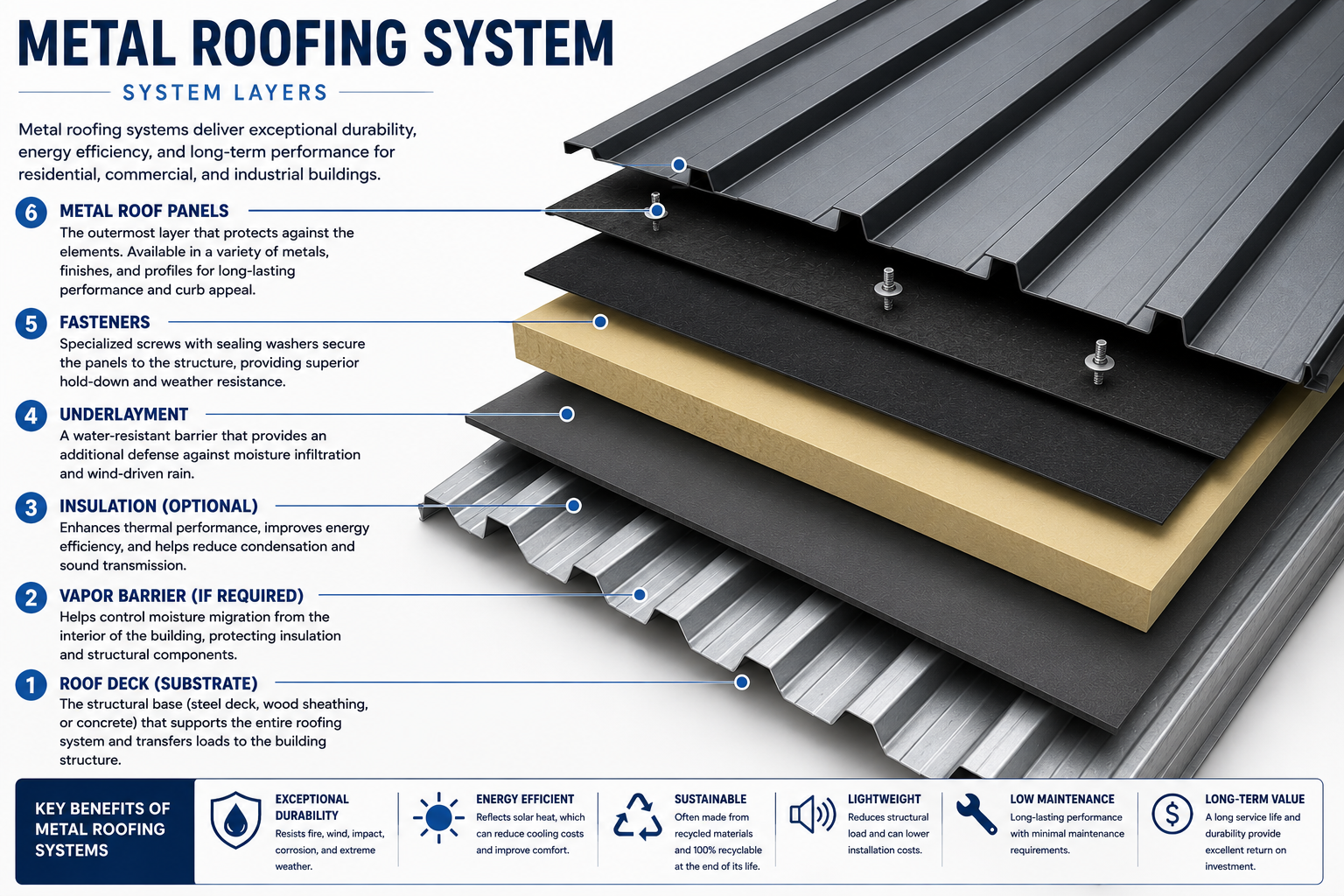
Commercial metal roofing offers businesses a durable, energy-efficient, and low-maintenance roofing solution designed to withstand harsh weather while providing long-term value. From premium standing seam systems with concealed fasteners and modern aesthetics to cost-effective exposed fastener and corrugated metal options commonly used on warehouses and industrial buildings, there are metal roofing systems available for nearly every type of commercial property. The right system depends on your building’s needs, budget, and long-term goals, but businesses looking to reduce maintenance costs, improve energy efficiency, and invest in a roof built to last often find commercial metal roofing to be one of the smartest long-term investments available.
GAF Hail storm systems
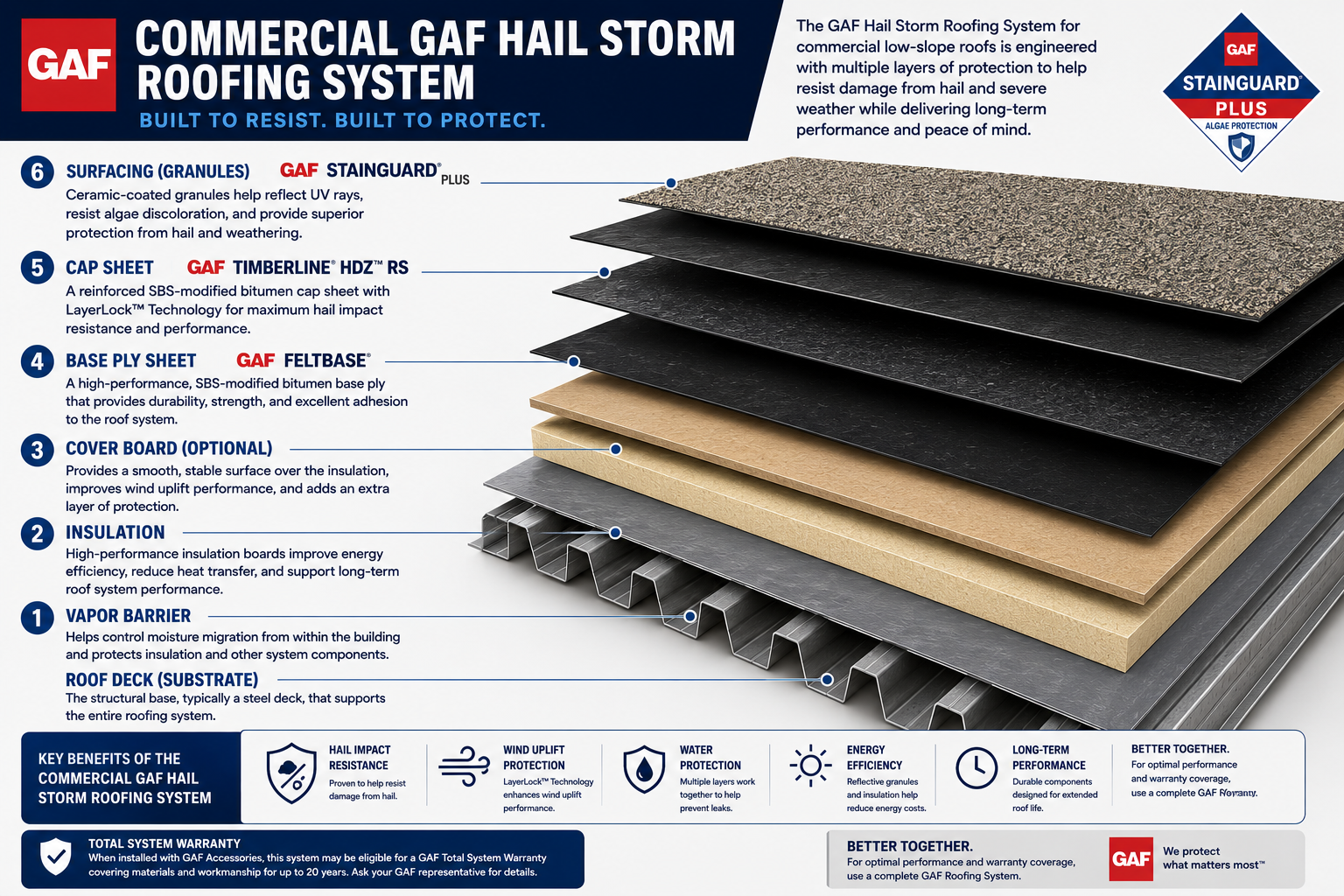
GAF commercial hail storm roofing systems are designed to help businesses better withstand severe weather, hail impact, high winds, and long-term roof deterioration, making them an excellent investment for warehouses, office buildings, retail centers, industrial facilities, and other commercial properties located in storm-prone regions. GAF offers impact-resistant roofing systems and assemblies engineered to meet demanding hail classifications, including FM Very Severe Hail standards and UL Class 4 impact resistance on select systems, helping reduce the risk of costly storm damage, business interruptions, emergency repairs, and premature roof replacement. In addition to their durability, many GAF commercial roofing systems provide strong waterproof protection, energy efficiency, and long-term performance warranties, giving business owners greater peace of mind and potentially lowering maintenance and insurance-related expenses over time.
Metal roofing
Commercial metal roofing offers businesses a durable, energy-efficient, and low-maintenance roofing solution designed to withstand harsh weather while providing long-term value. From premium standing seam systems with concealed fasteners and modern aesthetics to cost-effective exposed fastener and corrugated metal options commonly used on warehouses and industrial buildings, there are metal roofing systems available for nearly every type of commercial property. The right system depends on your building’s needs, budget, and long-term goals, but businesses looking to reduce maintenance costs, improve energy efficiency, and invest in a roof built to last often find commercial metal roofing to be one of the smartest long-term investments available.
GAF Hail storm systems
GAF commercial hail storm roofing systems are designed to help businesses better withstand severe weather, hail impact, high winds, and long-term roof deterioration, making them an excellent investment for warehouses, office buildings, retail centers, industrial facilities, and other commercial properties located in storm-prone regions. GAF offers impact-resistant roofing systems and assemblies engineered to meet demanding hail classifications, including FM Very Severe Hail standards and UL Class 4 impact resistance on select systems, helping reduce the risk of costly storm damage, business interruptions, emergency repairs, and premature roof replacement. In addition to their durability, many GAF commercial roofing systems provide strong waterproof protection, energy efficiency, and long-term performance warranties, giving business owners greater peace of mind and potentially lowering maintenance and insurance-related expenses over time.
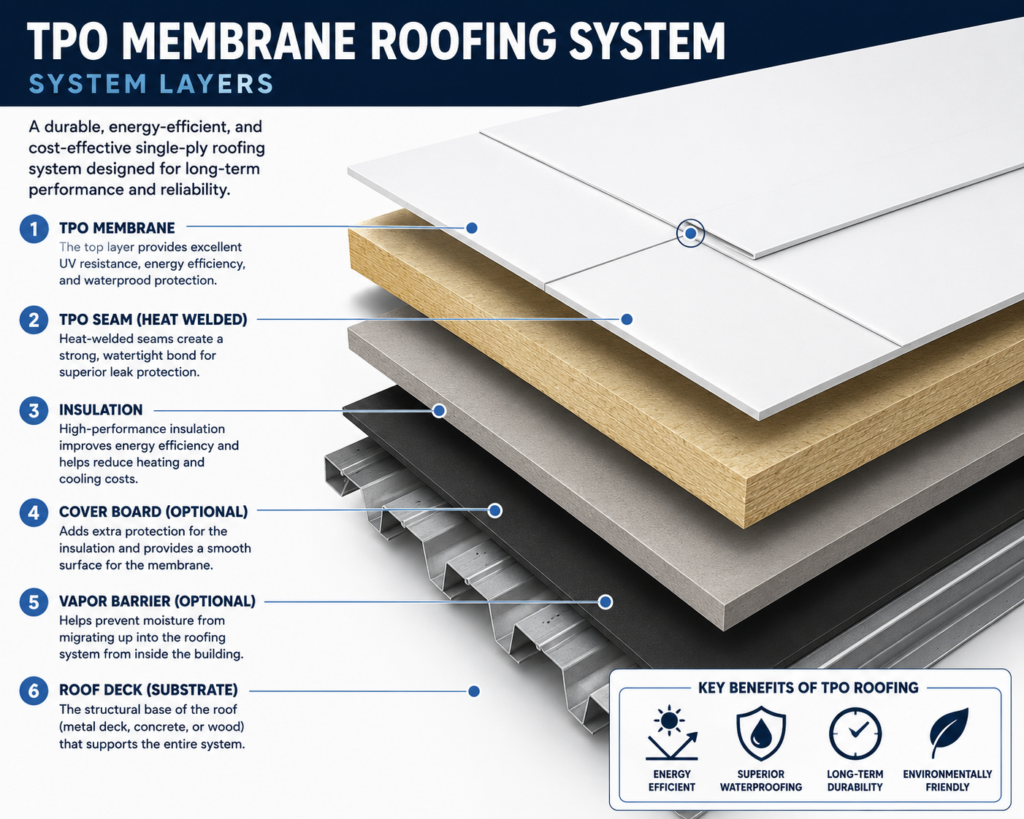
TPO Membrane
TPO (thermoplastic polyolefin) roofing is one of the most popular commercial roofing systems for businesses because it offers a strong combination of durability, energy efficiency, and long-term value. Its reflective white surface helps reduce heat absorption and lower cooling costs, making it an excellent option for warehouses, retail centers, office buildings, restaurants, and industrial facilities looking to improve energy performance. TPO roofing is also resistant to UV damage, punctures, chemicals, and mold growth, while its heat-welded seams create a strong waterproof barrier that helps minimize leaks and maintenance issues. For business owners wanting a cost-effective commercial roofing solution with modern performance, low maintenance requirements, and reliable protection against harsh weather conditions, TPO roofing is often one of the best investments for both short-term savings and long-term roof performance.
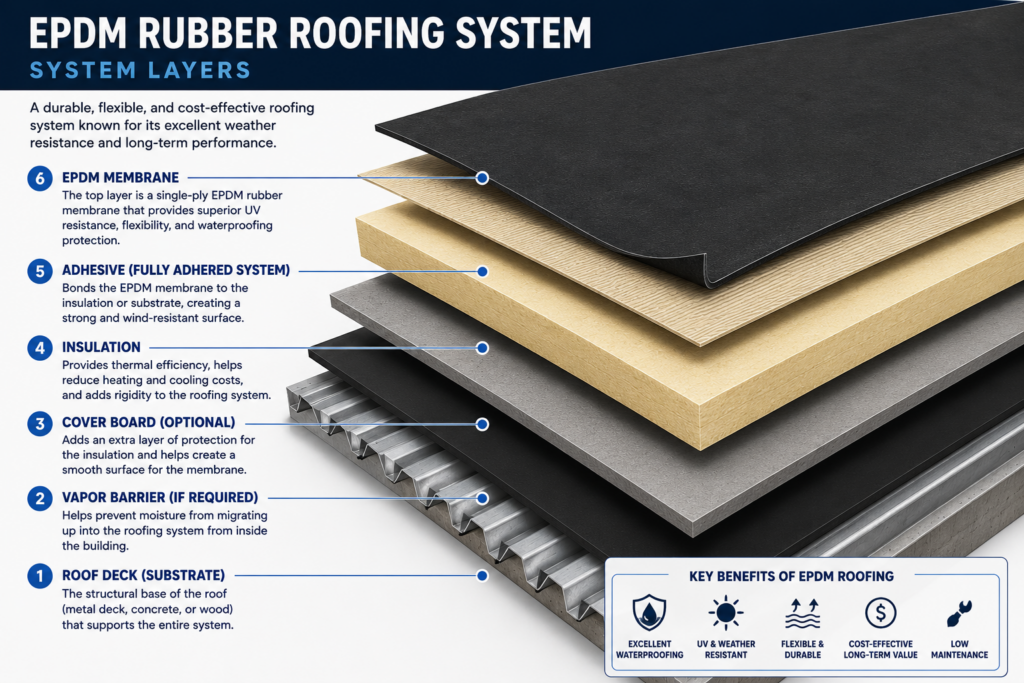
EPDM Roofing (Rubber Roof)
EPDM (ethylene propylene diene monomer), commonly known as a rubber roof, is a durable and cost-effective commercial roofing system that performs especially well on large flat or low-slope buildings such as warehouses, industrial facilities, office buildings, and retail centers. Known for its exceptional weather resistance, EPDM can handle extreme temperature changes, heavy rain, hail, and prolonged UV exposure, making it a reliable long-term option for businesses looking to minimize maintenance and replacement costs. Its flexible rubber membrane helps resist cracking over time, while the simple installation and repair process can reduce labor expenses compared to other commercial roofing systems. For business owners seeking a proven, budget-friendly roofing solution with strong durability and dependable waterproof protection, EPDM roofing offers excellent long-term value and performance for many commercial applications.
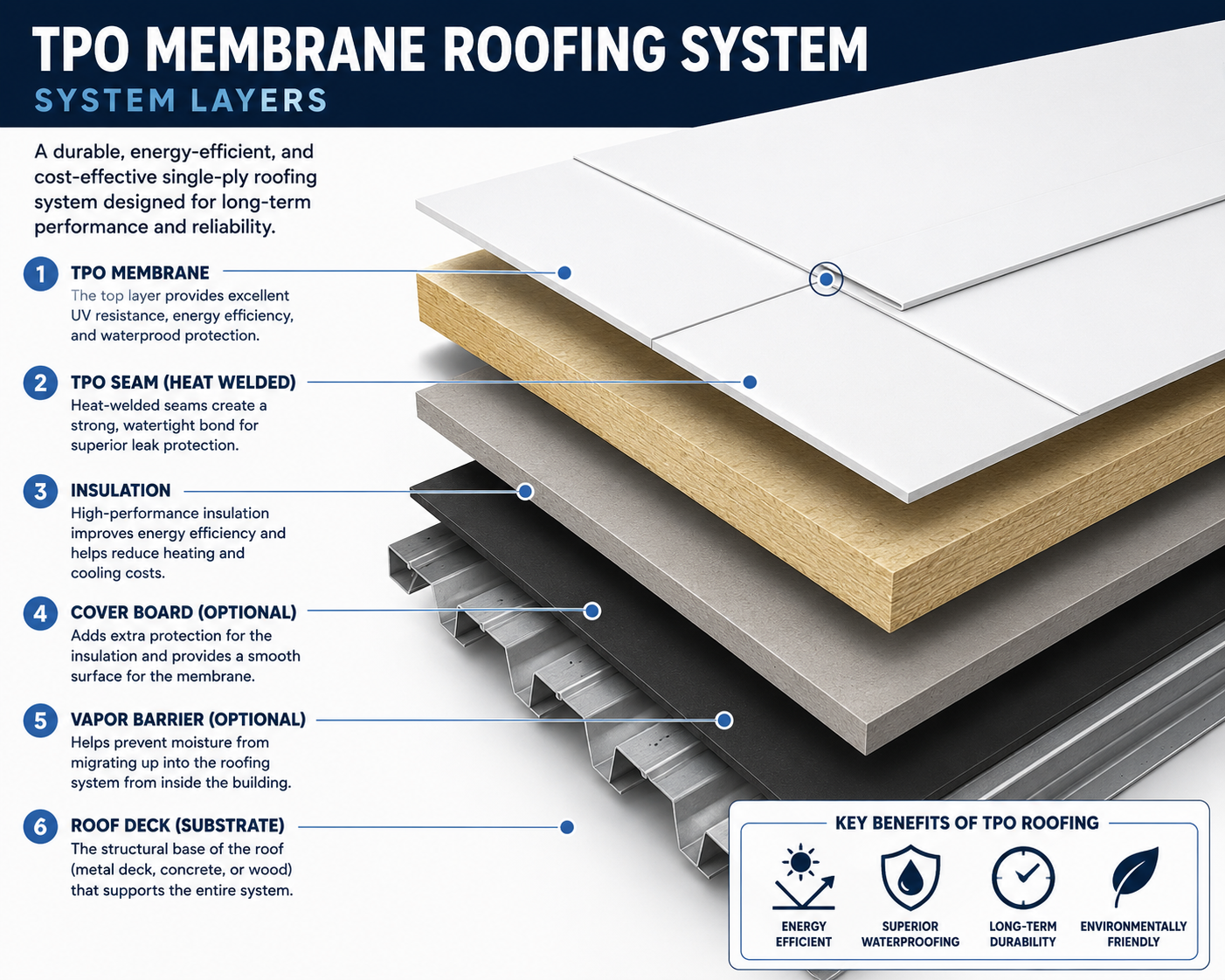
TPO Membrane
TPO (thermoplastic polyolefin) roofing is one of the most popular commercial roofing systems for businesses because it offers a strong combination of durability, energy efficiency, and long-term value. Its reflective white surface helps reduce heat absorption and lower cooling costs, making it an excellent option for warehouses, retail centers, office buildings, restaurants, and industrial facilities looking to improve energy performance. TPO roofing is also resistant to UV damage, punctures, chemicals, and mold growth, while its heat-welded seams create a strong waterproof barrier that helps minimize leaks and maintenance issues. For business owners wanting a cost-effective commercial roofing solution with modern performance, low maintenance requirements, and reliable protection against harsh weather conditions, TPO roofing is often one of the best investments for both short-term savings and long-term roof performance.
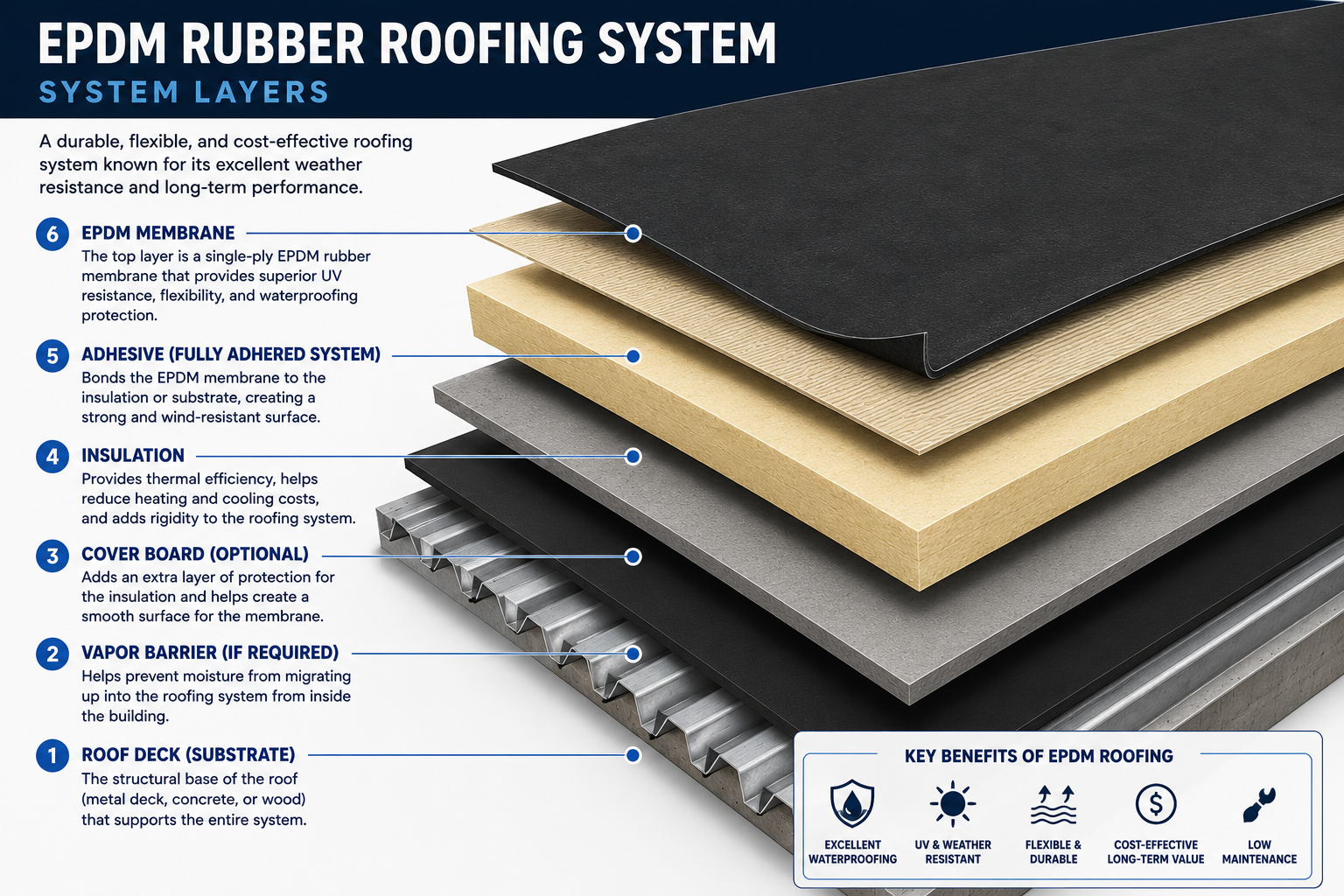
EPDM Roofing (Rubber Roof)
EPDM (ethylene propylene diene monomer), commonly known as a rubber roof, is a durable and cost-effective commercial roofing system that performs especially well on large flat or low-slope buildings such as warehouses, industrial facilities, office buildings, and retail centers. Known for its exceptional weather resistance, EPDM can handle extreme temperature changes, heavy rain, hail, and prolonged UV exposure, making it a reliable long-term option for businesses looking to minimize maintenance and replacement costs. Its flexible rubber membrane helps resist cracking over time, while the simple installation and repair process can reduce labor expenses compared to other commercial roofing systems. For business owners seeking a proven, budget-friendly roofing solution with strong durability and dependable waterproof protection, EPDM roofing offers excellent long-term value and performance for many commercial applications.
Spray Polyurethane Foam (SPF) Roofing
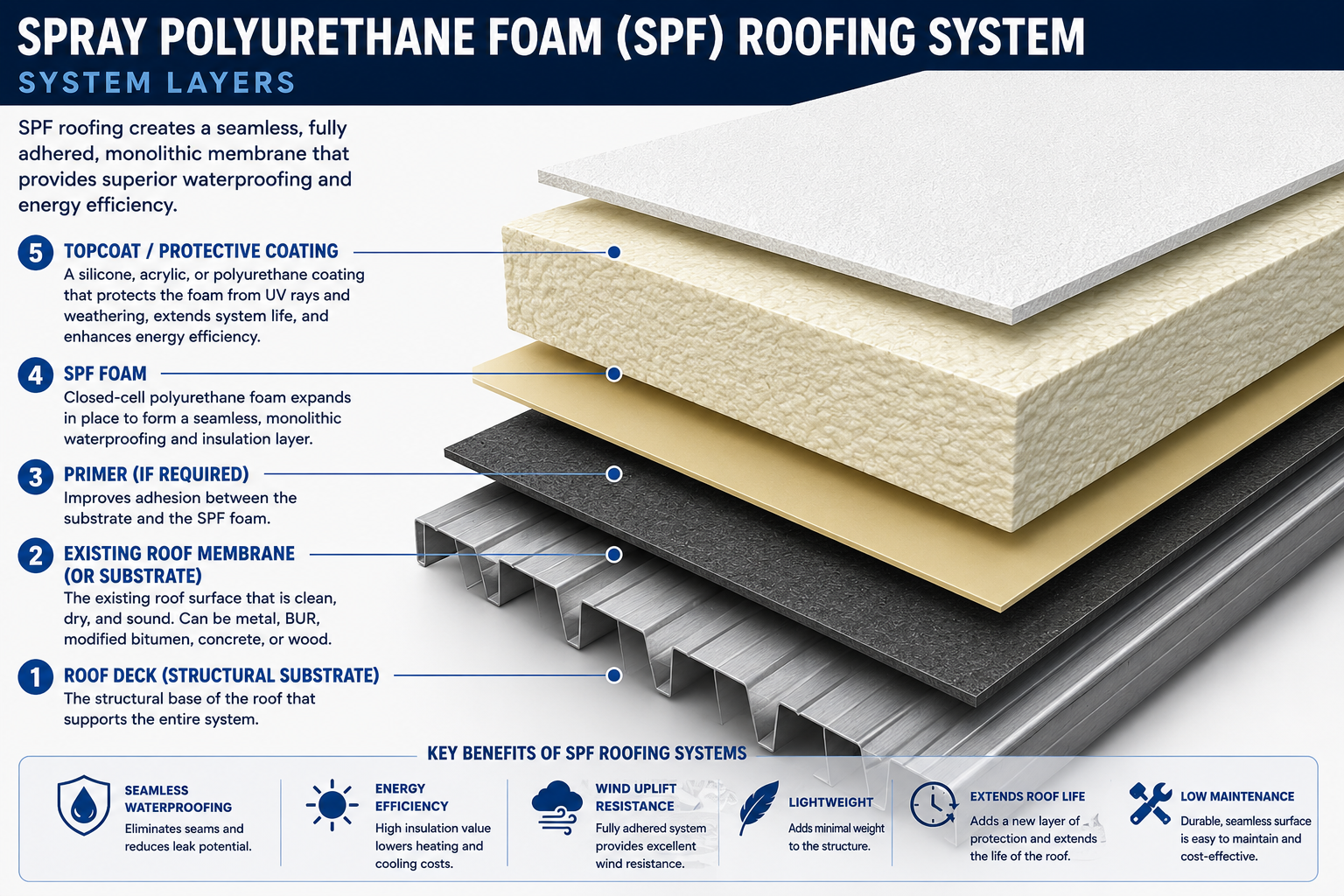
Spray Polyurethane Foam (SPF) roofing is a highly energy-efficient and seamless commercial roofing system that can be an excellent option for warehouses, manufacturing facilities, office buildings, retail centers, and other commercial properties looking to improve insulation and reduce long-term operating costs. SPF roofing is spray-applied directly onto the roof surface, creating a fully adhered, waterproof barrier with no seams where leaks commonly develop, while also adding significant insulating value that can help lower heating and cooling expenses year-round. Its lightweight design places minimal stress on the building structure, and the foam can conform to irregular roof shapes, making it ideal for many retrofit projects or aging commercial roofs. For business owners seeking a durable, low-maintenance roofing system with strong energy savings, improved moisture protection, and the ability to extend the life of an existing roof, SPF roofing offers a cost-effective long-term solution for many commercial applications.
Built-Up Roofing (BUR)
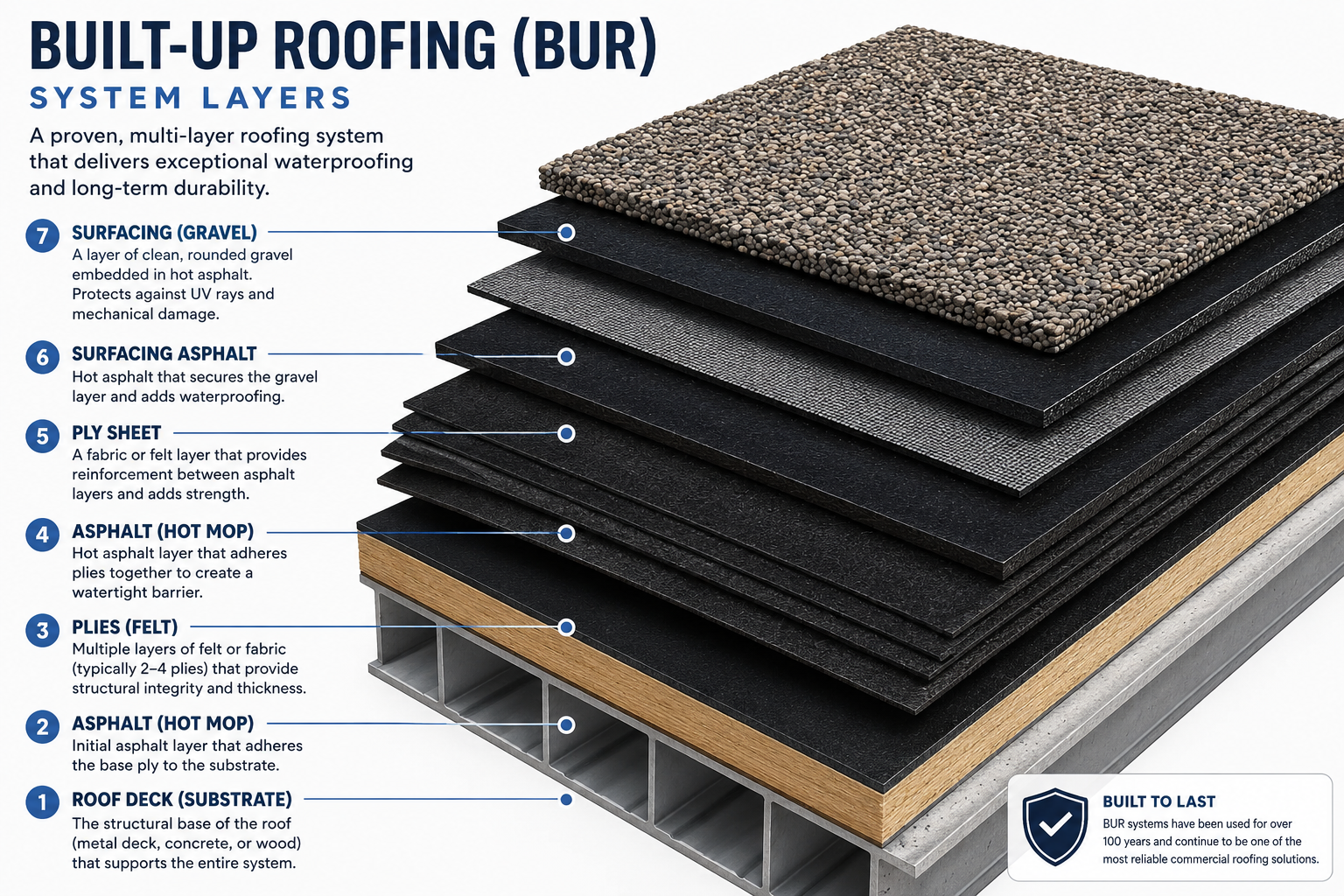
Built-Up Roofing (BUR), often referred to as tar and gravel roofing, is a time-tested commercial roofing system known for its exceptional durability, waterproofing protection, and ability to handle heavy foot traffic, making it a strong option for warehouses, industrial buildings, schools, retail centers, and large commercial facilities. Constructed with multiple layers of asphalt and reinforcing materials, BUR systems create a thick, highly protective barrier that performs well against harsh weather, UV exposure, and long-term wear, while the gravel surface helps shield the roof from impact damage and sunlight. Its multi-layer design also provides added redundancy against leaks, which can be especially valuable for businesses that rely on protecting expensive equipment, inventory, or daily operations. For business owners seeking a proven commercial roofing system with long-term reliability, strong weather resistance, and dependable performance on flat or low-slope roofs, BUR roofing remains one of the most durable options available.
Spray Polyurethane Foam (SPF) Roofing
Spray Polyurethane Foam (SPF) roofing is a highly energy-efficient and seamless commercial roofing system that can be an excellent option for warehouses, manufacturing facilities, office buildings, retail centers, and other commercial properties looking to improve insulation and reduce long-term operating costs. SPF roofing is spray-applied directly onto the roof surface, creating a fully adhered, waterproof barrier with no seams where leaks commonly develop, while also adding significant insulating value that can help lower heating and cooling expenses year-round. Its lightweight design places minimal stress on the building structure, and the foam can conform to irregular roof shapes, making it ideal for many retrofit projects or aging commercial roofs. For business owners seeking a durable, low-maintenance roofing system with strong energy savings, improved moisture protection, and the ability to extend the life of an existing roof, SPF roofing offers a cost-effective long-term solution for many commercial applications.
Built-Up Roofing (BUR)
Built-Up Roofing (BUR), often referred to as tar and gravel roofing, is a time-tested commercial roofing system known for its exceptional durability, waterproofing protection, and ability to handle heavy foot traffic, making it a strong option for warehouses, industrial buildings, schools, retail centers, and large commercial facilities. Constructed with multiple layers of asphalt and reinforcing materials, BUR systems create a thick, highly protective barrier that performs well against harsh weather, UV exposure, and long-term wear, while the gravel surface helps shield the roof from impact damage and sunlight. Its multi-layer design also provides added redundancy against leaks, which can be especially valuable for businesses that rely on protecting expensive equipment, inventory, or daily operations. For business owners seeking a proven commercial roofing system with long-term reliability, strong weather resistance, and dependable performance on flat or low-slope roofs, BUR roofing remains one of the most durable options available.
PVC Roofing
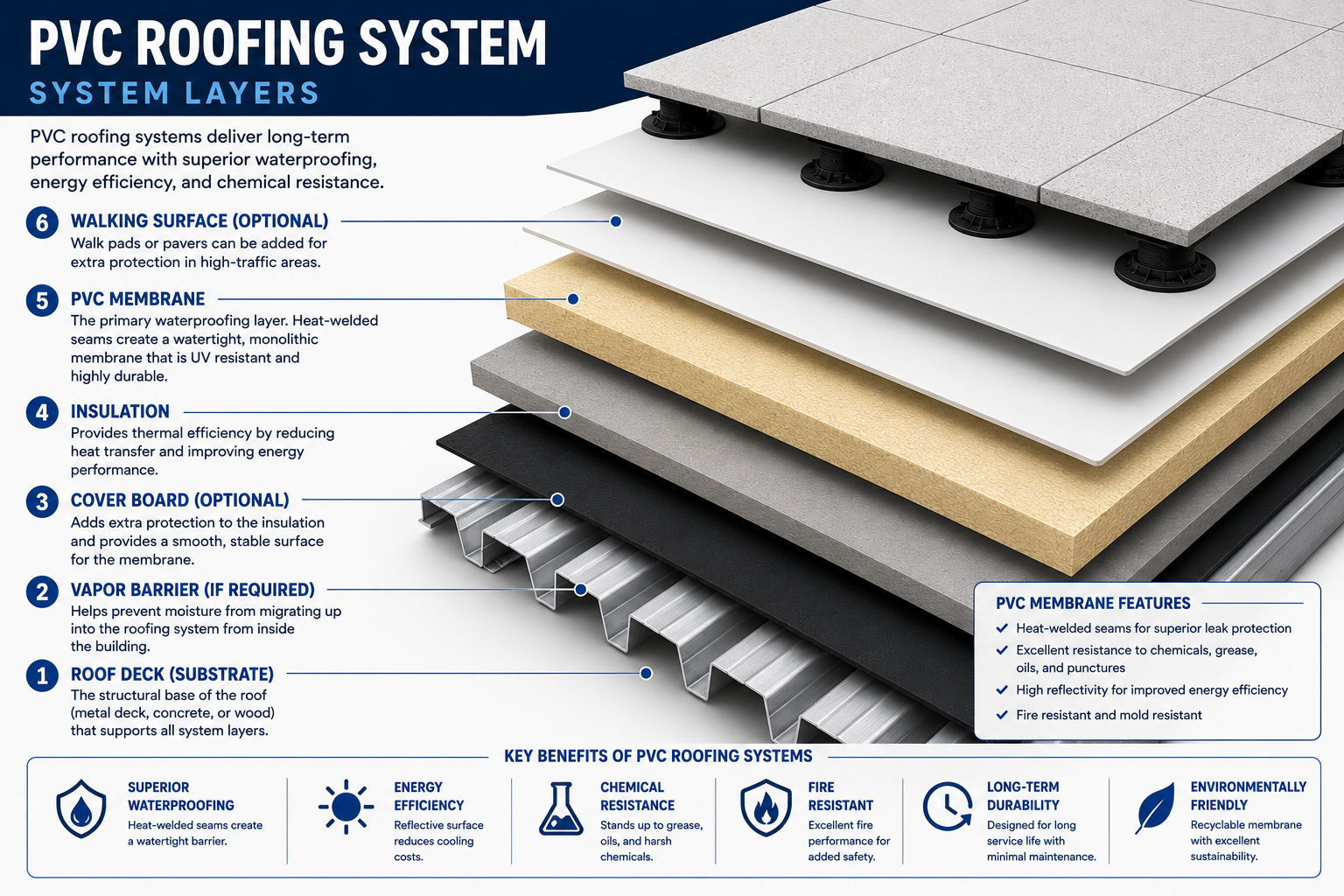
PVC (polyvinyl chloride) roofing is a premium commercial roofing system known for its exceptional durability, chemical resistance, and long-term energy efficiency, making it an excellent choice for restaurants, manufacturing facilities, warehouses, office buildings, and other commercial properties exposed to grease, oils, chemicals, or harsh weather conditions. Its heat-welded seams create a highly watertight membrane that helps prevent leaks, while the reflective surface can reduce heat absorption and lower cooling costs during warmer months. PVC roofing is also resistant to fire, punctures, mold growth, and standing water, helping business owners minimize maintenance concerns and extend the lifespan of their roofing system. For businesses looking for a strong, low-maintenance commercial roof with excellent waterproofing protection and reliable long-term performance, PVC roofing offers one of the most durable and energy-efficient solutions available for flat and low-slope buildings.
Roof coating systems
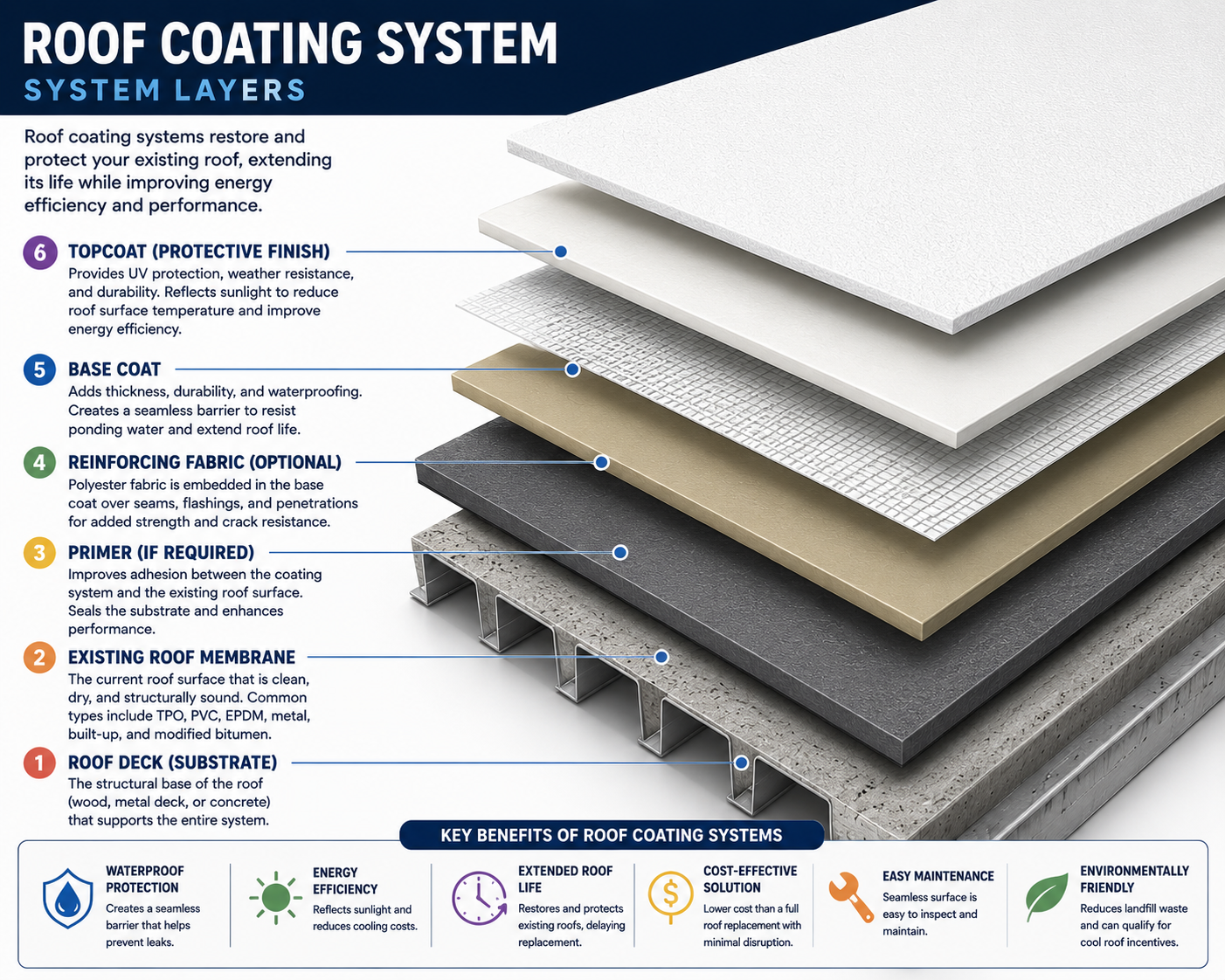
Commercial roof coating systems are a cost-effective way for business owners to restore and extend the life of an existing roof without the expense and disruption of a full roof replacement, making them a smart option for warehouses, office buildings, retail centers, industrial facilities, and many flat or low-slope commercial properties. Roof coatings, including silicone, acrylic, and polyurethane systems, create a seamless waterproof barrier that helps protect against leaks, UV damage, ponding water, and weather-related deterioration while also improving energy efficiency by reflecting heat away from the building. In many cases, a roof coating system can reduce maintenance costs, improve roof performance, and add years of service life to an aging commercial roof at a fraction of the cost of replacement. For businesses looking to maximize the value of their current roofing system while minimizing downtime and operational interruptions, commercial roof coatings offer a durable, energy-efficient, and budget-friendly roofing solution.
PVC Roofing
PVC (polyvinyl chloride) roofing is a premium commercial roofing system known for its exceptional durability, chemical resistance, and long-term energy efficiency, making it an excellent choice for restaurants, manufacturing facilities, warehouses, office buildings, and other commercial properties exposed to grease, oils, chemicals, or harsh weather conditions. Its heat-welded seams create a highly watertight membrane that helps prevent leaks, while the reflective surface can reduce heat absorption and lower cooling costs during warmer months. PVC roofing is also resistant to fire, punctures, mold growth, and standing water, helping business owners minimize maintenance concerns and extend the lifespan of their roofing system. For businesses looking for a strong, low-maintenance commercial roof with excellent waterproofing protection and reliable long-term performance, PVC roofing offers one of the most durable and energy-efficient solutions available for flat and low-slope buildings.
Roof coating systems
Commercial roof coating systems are a cost-effective way for business owners to restore and extend the life of an existing roof without the expense and disruption of a full roof replacement, making them a smart option for warehouses, office buildings, retail centers, industrial facilities, and many flat or low-slope commercial properties. Roof coatings, including silicone, acrylic, and polyurethane systems, create a seamless waterproof barrier that helps protect against leaks, UV damage, ponding water, and weather-related deterioration while also improving energy efficiency by reflecting heat away from the building. In many cases, a roof coating system can reduce maintenance costs, improve roof performance, and add years of service life to an aging commercial roof at a fraction of the cost of replacement. For businesses looking to maximize the value of their current roofing system while minimizing downtime and operational interruptions, commercial roof coatings offer a durable, energy-efficient, and budget-friendly roofing solution.
Asphalt shingle system for slopped roofs
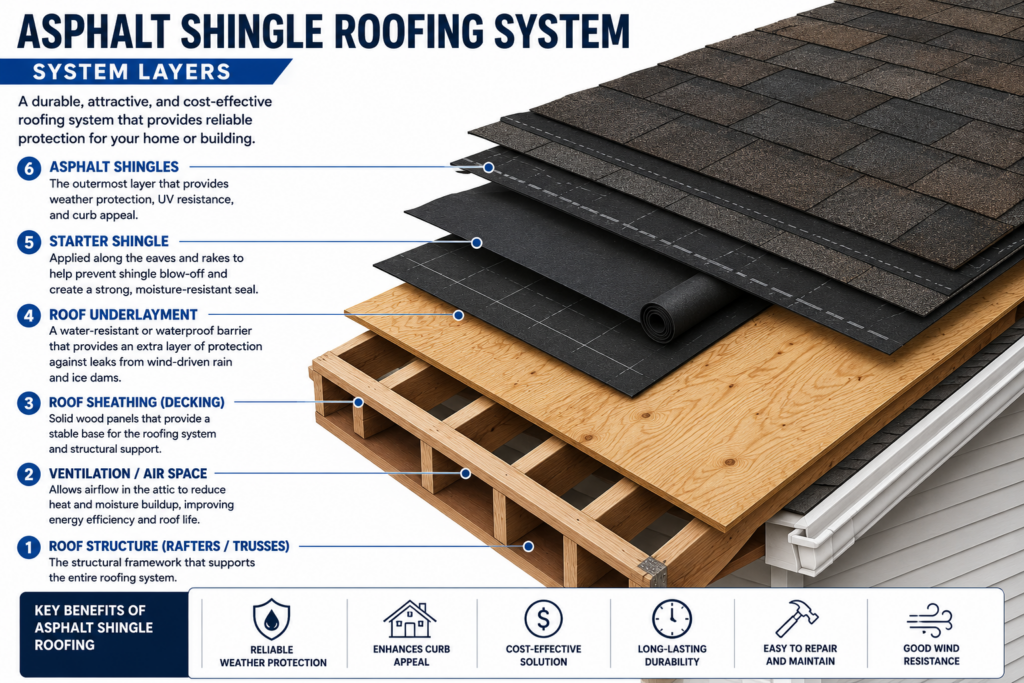
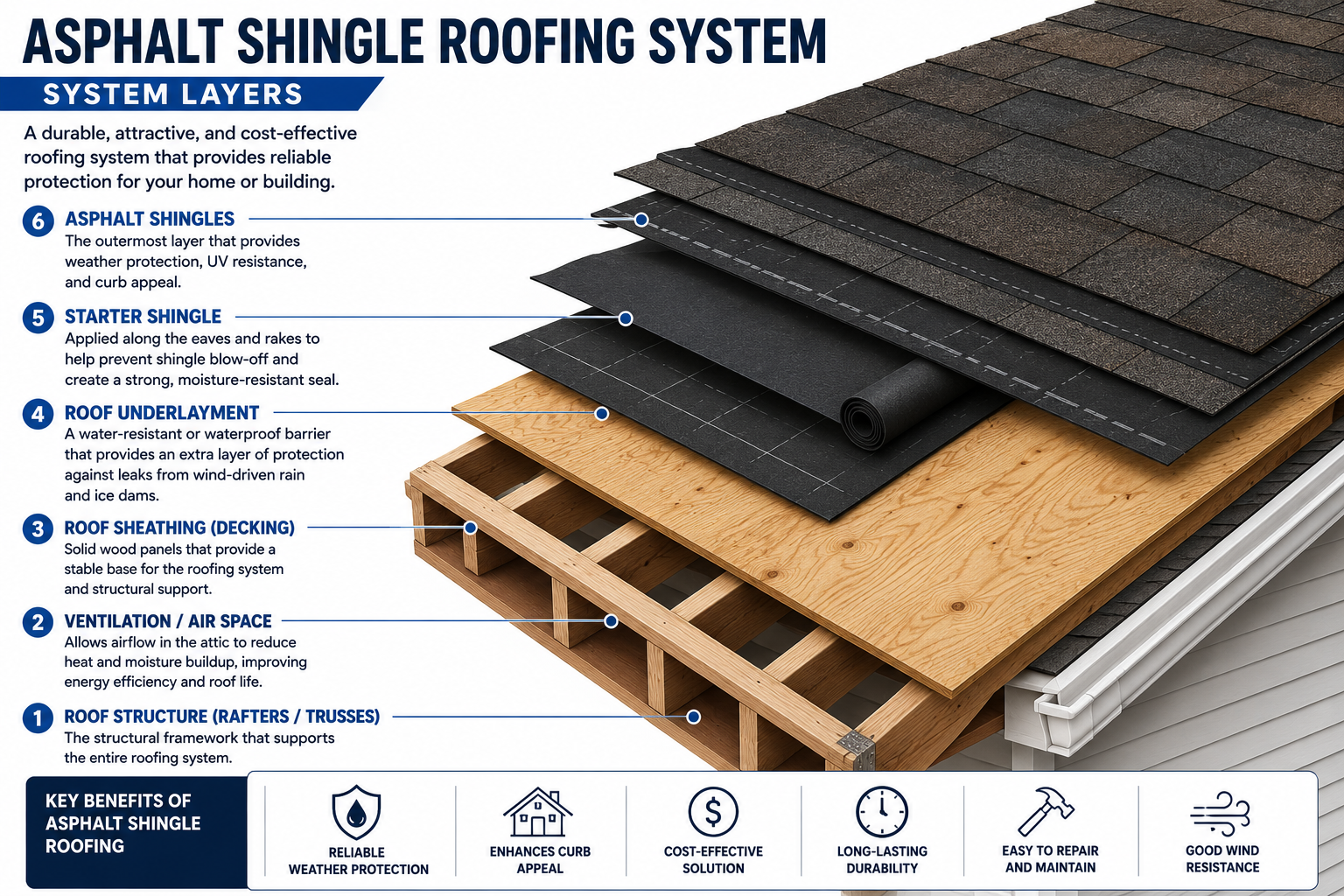
Commercial asphalt shingle roofing systems are a versatile and cost-effective option for businesses with steep-slope roofing designs, including apartment complexes, churches, office buildings, retail storefronts, and mixed-use properties. Asphalt shingles offer strong curb appeal with a wide variety of colors and architectural styles while also providing reliable weather protection, durability, and relatively simple maintenance compared to many other roofing systems. Modern commercial-grade shingles from manufacturers like CertainTeed and GAF can also feature enhanced wind resistance, impact resistance, and algae protection, helping extend roof performance and reduce long-term maintenance concerns. For business owners looking for an affordable roofing solution that balances appearance, durability, and value while maintaining a more traditional architectural look, commercial asphalt shingles remain one of the most practical and widely used roofing options available.
Asphalt shingle system for slopped roofs
Commercial asphalt shingle roofing systems are a versatile and cost-effective option for businesses with steep-slope roofing designs, including apartment complexes, churches, office buildings, retail storefronts, and mixed-use properties. Asphalt shingles offer strong curb appeal with a wide variety of colors and architectural styles while also providing reliable weather protection, durability, and relatively simple maintenance compared to many other roofing systems. Modern commercial-grade shingles from manufacturers like CertainTeed and GAF can also feature enhanced wind resistance, impact resistance, and algae protection, helping extend roof performance and reduce long-term maintenance concerns. For business owners looking for an affordable roofing solution that balances appearance, durability, and value while maintaining a more traditional architectural look, commercial asphalt shingles remain one of the most practical and widely used roofing options available.
frequently asked questions
How long does an installation take?
Commercial roof replacements typically run 3–7 days for smaller buildings and several weeks for larger facilities. Washington Roofing & Construction phases work to keep your business operational, seals the roof at the end of each work day, and stages materials away from parking, loading docks, and main entrances. The final timeline depends on building size, system type, weather, and the number of mechanical penetrations.
Can the installation be done without shutting down the business?
YES! At Washington Roofing & Construction, we understand that keeping your business open is a top priority. That’s why we carefully plan every commercial roofing project to minimize disruptions to your daily operations. Our team secures and weatherproofs all work areas at the end of each day, strategically stages materials to keep parking lots and entrances accessible, and schedules the loudest portions of the project around your business hours whenever possible. We work closely with property owners and facility managers throughout the entire process to ensure a safe, organized, and efficient project. In most cases, our commercial clients are able to remain fully operational without losing valuable business during roof installation or repairs.
What warranty options are available?
At Washington Roofing & Construction, we stand behind the quality of our workmanship and the roofing systems we install. Our commercial roofing projects are backed by a workmanship warranty, with coverage varying based on the roofing system installed. In addition, your new roof is protected by the manufacturer’s material and system warranty, which may range from 10 to 30 years depending on the product selected.
Warranty coverage begins once your project is complete and final payment has been received. Please note that damage resulting from severe weather, natural disasters, excessive foot traffic, structural movement, improper maintenance, or modifications performed by other contractors is not covered under our workmanship warranty. Because every commercial roofing system is unique, warranty terms may vary by project. Our team will review your specific warranty coverage with you before installation so you know exactly what to expect.
How long do different commercial roofing materials last?
TPO: 20–30 years
PVC: 30–50 years
EPDM: 20–30 years, sometimes longer
Metal: 40–70 years
BUR and Modified Bitumen: 15–20 years
Should I repair or replace my commercial roof?
Not every commercial roof needs to be replaced. If the damage is limited to isolated leaks, flashing issues, or other localized problems, a professional repair may be the most cost-effective solution. However, if your roof has widespread deterioration, recurring leaks, membrane failure, or is nearing the end of its expected lifespan, a full replacement or restoration may be the better long-term investment. At Washington Roofing & Construction, we’ll perform a thorough inspection and provide an honest recommendation based on the condition of your roof and your budget, ensuring you receive the right solution—not simply the most expensive one.
How often should commercial flat roofs be inspected?
To maximize the lifespan of your commercial roof, Washington Roofing & Construction recommends scheduling a professional roof inspection at least once a year, as well as after any major storm or severe weather event. Routine inspections allow our team to identify potential issues—such as ponding water, membrane deterioration, flashing damage, clogged drains, or debris buildup—before they develop into costly repairs or unexpected leaks. Regular maintenance not only helps protect your investment but can also extend the service life of your commercial roofing system.
Will insurance cover repairs or replacements?
Many commercial property insurance policies provide coverage for roof damage caused by covered events such as hail, high winds, falling trees, and other storm-related incidents. However, damage resulting from normal aging, deferred maintenance, or general wear and tear is typically not covered. At Washington Roofing & Construction, we can perform a thorough roof inspection, document any storm-related damage, and provide the information you need to support your insurance claim. Keeping up with routine inspections and maintenance records can also help strengthen future claims and protect your investment.